


The Ultimate Guide to Dental Loans in Australia
Oral health plays a huge part in our overall health, so it’s important to schedule regular check-ups to stay on top of it. But sometimes booking a dentist in Australia isn’t just a matter of availability, but cost. A survey by the Australian Dental Association found that prices had increased by 3.7% for GPs, and a staggering 39% for specialists. When you need work done or just a regular check-up, you don’t want to be held back by costs. That’s where dental loans from Swoosh can help.
In this guide, we’ll explain everything you need to know about dental loans, including how much you can borrow, eligibility criteria, and how to apply.
The information in this guide is for general purposes and may not suit your personal circumstances. For tailored guidance, it’s best to speak with a qualified financial professional.
Overview:
- What are dental loans?
- Why are dentists so expensive?
- Are there other options to pay for a dentist?
- Can I get a loan for dental work?
- Loan amounts: how much can I borrow?
- Interest rates
- Application process
- Who is Swoosh Finance?
What are dental loans?
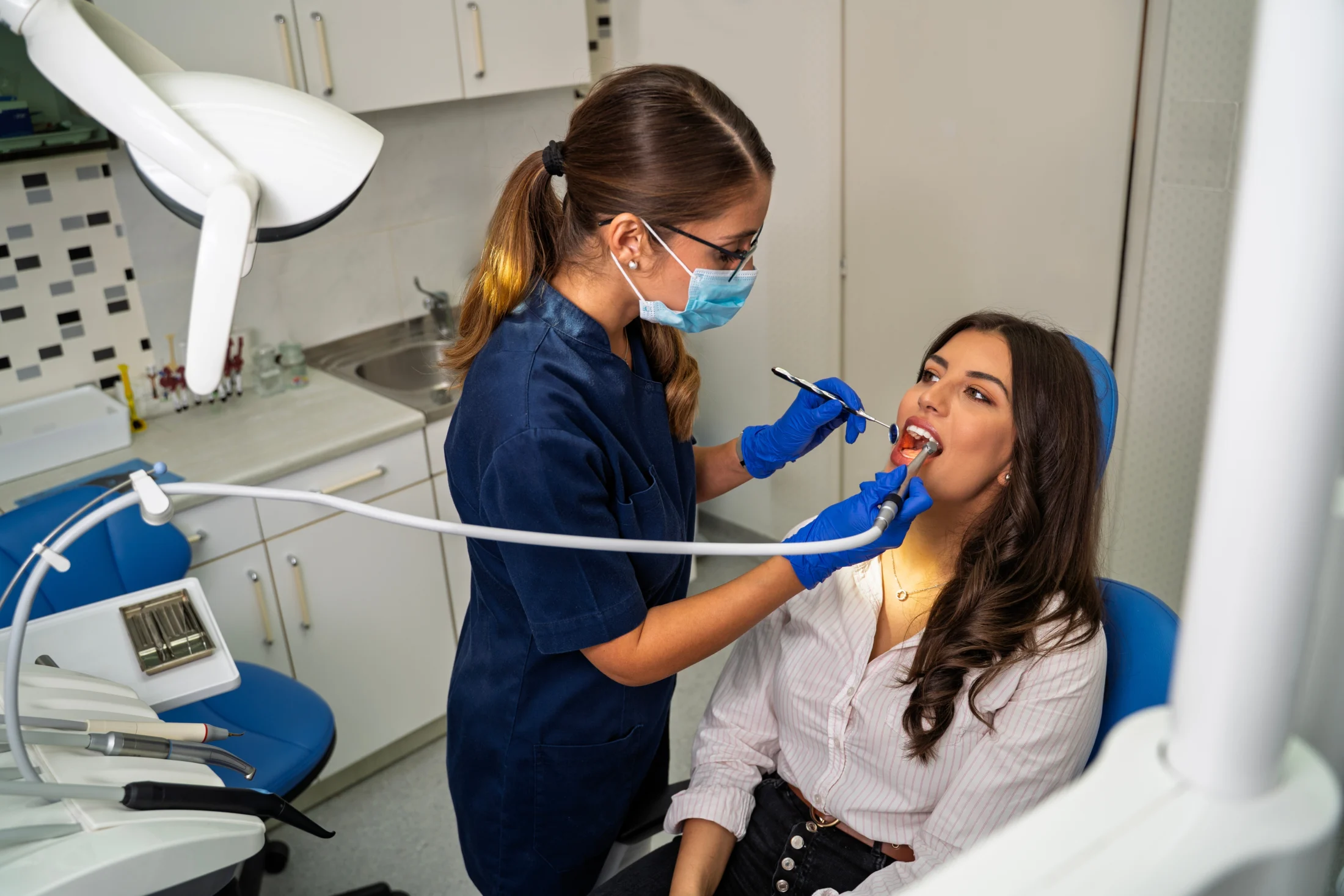
A dental loan is a type of personal loan that you can use to help pay for your dental bills. It can cover a range of treatments, including:
- General check-ups
- Tooth repair, whitening, and cleaning
- Braces
- Implants
- Surgery
- Root canals
Paying for a trip to the dentist without insurance can be tough. A recent report from the Australian Institute of Health and Welfare found that one in five Aussies who put off seeing the dentist reported that cost was the main reason for doing so.
A dental loan is an alternative, helping you pay for treatment now rather than putting it off until the problem gets worse.
History of personal loans
Before we dive more into the details of dental loans and how to apply, it’s important to understand the history of personal loans in Australia and how they’re used today.
Personal loans have been around for a long time, but they used to involve going to a bank, filling in a paper application, and waiting potentially days for a decision. Approval also relied heavily on hoping your credit score ticked all the right boxes, rather than taking into account your current financial situation. But that all changed in the late 1980s and 1990s, as financial reforms were introduced that opened the door to more lenders who could offer better access to credit. Suddenly, everyday Aussies could access personal loans for everything from unexpected car repairs to medical and dental bills.
Then the rise of online lenders in the 2010s made things even easier. Now, personal loans can be approved and paid out within hours instead of days or weeks. Borrowers can apply directly from any device, anywhere, and get emergency funds when they need it most. The 2010s also saw a shift to Comprehensive Credit Reporting (CCR). This allowed lenders to take a more comprehensive view of a borrower’s financial habits, helping people who might have made a mistake in the past still qualify for the support they need.
All of those changes now mean personal loans can be a fast way to access emergency cash to pay for things like dental bills.
Secured vs unsecured dental loans
Dental loans can either be secured or unsecured. A secured loan is backed by an asset, such as a car or other vehicle, which is used as collateral. Two of the most common examples include home loans, where your property is used to secure the loan, and a loan against a car, where your vehicle is used as collateral. While secured loans often come with better interest rates and higher borrowing limits, they also carry the risk of losing your asset if you are unable to repay the loan.
On the other hand, an unsecured loan doesn’t require any collateral. Instead, lenders may place more emphasis on your credit history, income, and current financial status. Unsecured loans generally involve higher interest rates, since the lender is taking on more risk, and may have shorter loan terms.
Deciding which option is right for you depends on your personal circumstances, as well as the terms and conditions of the lender you choose to borrow with. Before making a decision, ask yourself:
- Am I comfortable with the risks involved?: if you own a car, property, or other valuable asset, you might be eligible for a secured loan. But consider whether you’re willing to risk your asset if something goes wrong.
- How much do I need, and how quickly do I need it?: secured loans may allow you to borrow more, while unsecured loans are sometimes processed faster.
- How is my credit history?: a secured loan might improve your chances of success if you’ve been affected by bad credit. Before applying for any loan, it’s always a good idea to check your credit score.
It’s always best to shop around to find the right option for your unique circumstances.
Why are dentists so expensive?
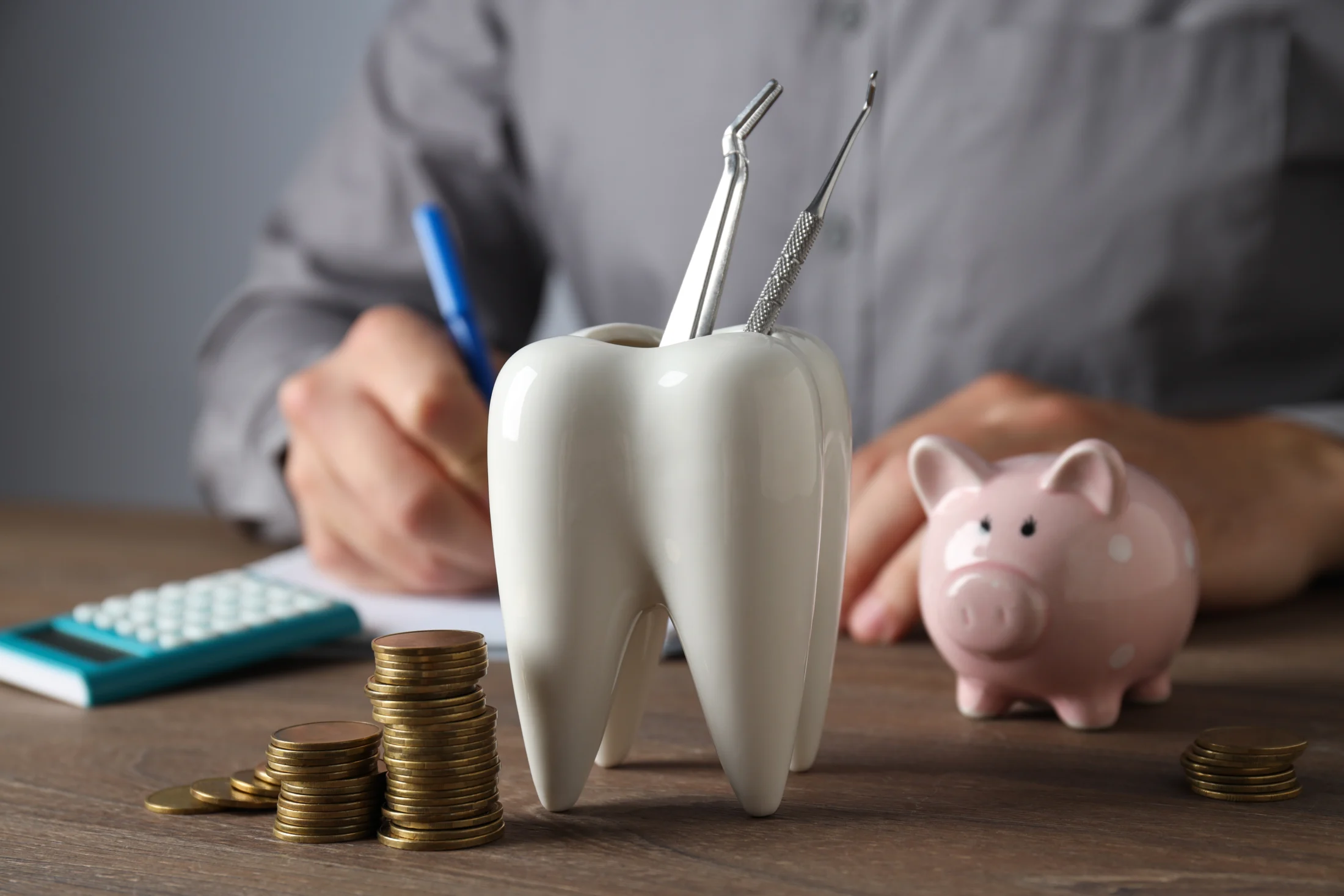
Dentists in Australia can be costly because it’s mostly handled by private clinics and specialists. That’s because back when Medicare was first introduced, dental care was excluded to save costs and avoid more controversy over the healthcare reforms. While public dental clinics still exist, the wait lists are often long, which doesn’t help if you’re facing an emergency. But there are a few more reasons why dentists in Australia are so expensive, including:
1. High operating costs
Australia benefits from high-quality oral health care services, but it doesn’t come cheap. Specialist surgical and X-ray equipment come with steep price tags, and that’s before you factor in the cost of maintaining premises, staff, and proper licensing.
2. High demand
Dentists recommend getting a check-up once every six months, which creates a big backlog as clinics try to balance regular appointments with emergencies. And when only 4.6% of dentists in Australia work in public clinics, it’s easy to see why so many turn to private care.
3. Cost of qualifications
Like most medical professions, it takes years of dedicated study to become a dentist, which means a lot of student debt to pay off.
4. Lack of standardised pricing regulation
While the ADA provides a pricing guideline, the Australian Health Practitioner Regulation Agency (AHPRA) does not prescribe fees for dental services. That means every individual clinic is free to set their own pricing based on their own experience, the location of the practice, and market conditions.
Are there other options to pay for the dentist?
A dental loan is one solution to help you pay for oral healthcare in Australia, but it’s not the only option. Here are some other avenues you can explore before committing to a loan:
- Government funded care: each state has its own health services, as well as free dental care for children across Australia if you meet certain eligibility requirements.
- Payment plans: some dentists now offer payment plans to help you budget for and manage the cost of your visit. Ask your local clinic for more information.
- Non-profit clinics: Filling the Gap, The ADA Dental Health Foundation, and Australian Dental Foundation all offer dental services to vulnerable Aussies who need it the most.
Can I get a loan for dental work?
Yes, it’s possible to get a dental loan to cover the cost of treatment. Generally, when applying for a dental loan, you’ll need to meet certain eligibility requirements, such as providing proof of income, ID, and sometimes information about an asset if you’re applying for a secured loan. Each lender will have their own criteria, but the application process is usually quick and straightforward.
Can I get a dental loan with bad credit?
Yes, you may still be able to get a dental loan even if you have bad credit. Some lenders in Australia specialise in bad credit loans, focusing more on your current financial situation and ability to make repayments rather than only looking at your past credit history. While most lenders will still run a credit check, having a less-than-perfect score doesn’t automatically mean you’ll be declined.
At Swoosh, we think your credit history should stay in the past. We’re focused on the here and now, looking at your current financial situation to make sure you can afford repayments. As responsible lenders, we do still conduct credit checks, but having a bad credit history won’t necessarily stop you from getting a loan.

Loan amounts: how much can I borrow?
The borrowing limit for a dental loan depends on your unique financial circumstances, as well as each individual lender. Amounts start as low as $2000 and can go all the way up to $15,000 depending on your income, credit history, and whether you choose a secured or unsecured loan.
Keep in mind that lenders must follow responsible lending obligations, which means they will only approve a loan amount you can reasonably afford to repay. Even if you’re eligible for a higher borrowing limit, it’s best to borrow only what you need to cover your dental costs.
At Swoosh, we focus on providing smaller, more manageable loans of up to $5000 to help you pay for dental bills.
Interest rates
When comparing dental loans, you’ll usually come across two types of interest rates:
- Fixed rate: stays the same for the full term of your loan, making your repayments predictable.
- Variable rate: can go up or down depending on the market, which means your repayments might be lower at times, but could also increase suddenly.
At Swoosh, we only offer fixed rate loans. That way, you know exactly what your repayments will be each week, making it easier to budget and plan ahead.
Whichever lender you choose, remember to check the comparison rate, this shows the true cost of the loan once all fees and charges are included.
Application process
Each lender will have their own steps to apply for a dental loan. Depending on the lender you choose, it might involve applying in person or submitting documents online. However, the process will typically include the following:
- Provide basic details: online application forms are often fast and easy to complete, usually asking for some basic personal and financial details, including information related to your employment and income.
- Details of your asset (if loan is secured): if you’re securing the loan with an asset like a vehicle, you’ll have to provide proof of ownership, as well as other details like the make, and model.
- Further documents: in this step, you might be asked for ID, bank statements, or payslips to help lenders verify your identity and check whether you can afford repayments. Having this information ready before you apply can speed up the application process.
- Lender assessment: once you’ve provided all the requested information, lenders will review your application and come to a decision.
- Sign your offer: if approved, you’ll receive a loan agreement. It’s important to read through any loan agreement carefully, noting all the terms and conditions before you accept and sign.
- Receive funds: once you’ve accepted your offer, you’ll get your funds! Some lenders, like Swoosh, can have cash in your account on the same day you apply. Options like PayID can make the transfer almost instant.
Swoosh has simplified these steps into a simple three-step process. And since it’s 100% online, you can get started from anywhere!.
Who is Swoosh Finance?
At Swoosh, we don’t think your credit history should define your financial future. That’s why we’re helping people access fast and flexible financing. Our easy online application takes just minutes to complete, and you can rest assured knowing every application is assessed by a real team of humans based right here in Australia.
With easy online applications, quick approval, and a commitment to responsible lending, we help you get the funds you need when you need them! Apply now for a dental loan to keep your smile healthy!


